
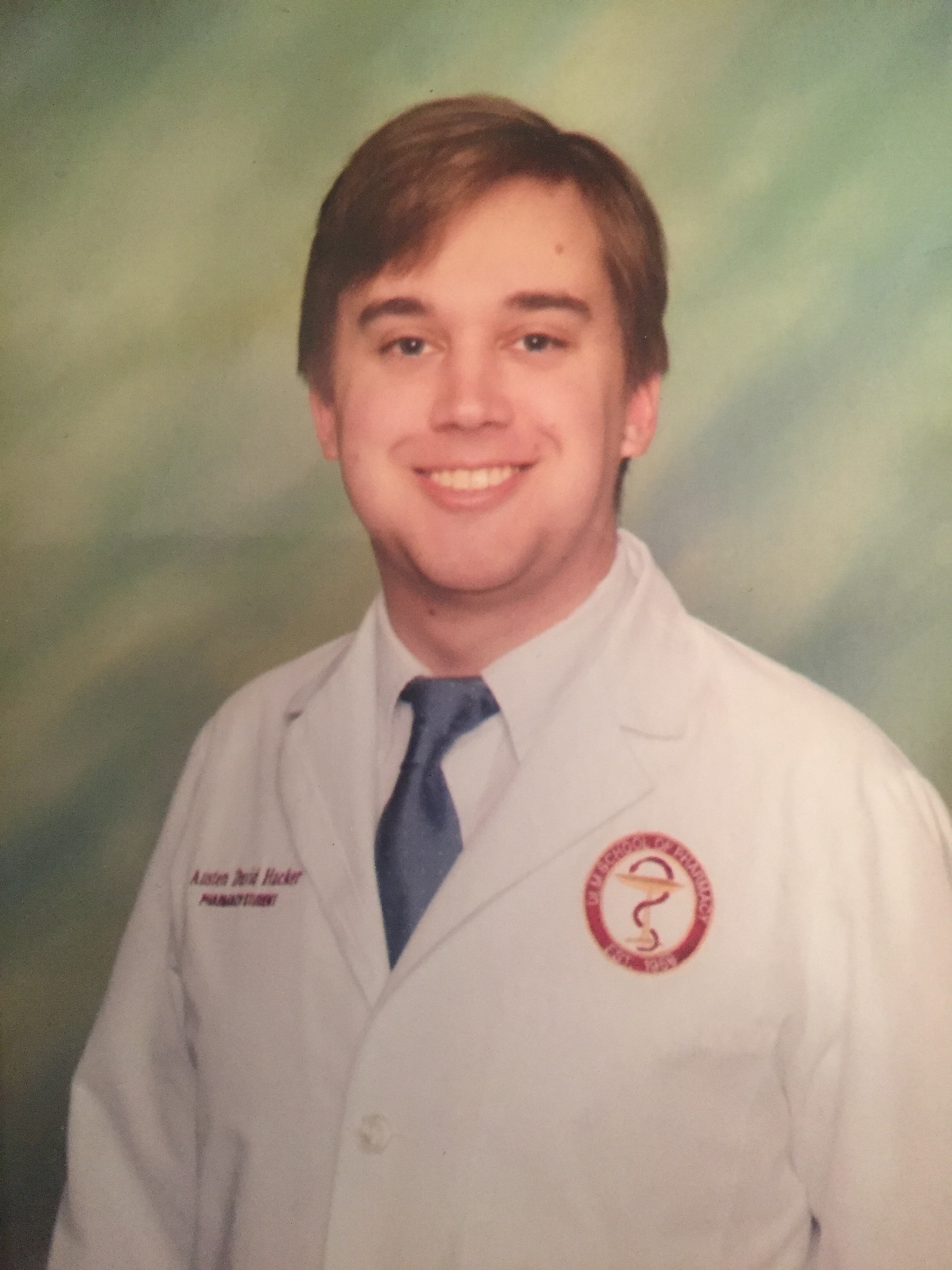
Little Rock, Arkansas Jul 16, 2026 (Issuewire.com) Trust is one of the most important elements of quality healthcare, yet it is often built through small, consistent interactions rather than dramatic moments. According to Arkansas pharmacist Austen Hacker, meaningful patient relationships develop over time through clear communication, thoughtful listening, and a commitment to helping people understand their care.
While modern healthcare continues to evolve through new treatments and technology, Hacker believes the human side of medicine remains just as important.
“Patients want to know that someone is listening to them,” said Hacker. “Clinical knowledge is essential, but people also need to feel heard. When patients trust their healthcare team, they are more comfortable asking questions, sharing concerns, and becoming active participants in their own care.”
Throughout his career, Hacker has worked across retail, hospital, institutional, ambulatory, and oncology pharmacy settings. His experience has shown him that trust is rarely established during a single conversation. Instead, it develops through consistent interactions where patients feel respected and informed.
“Trust is something you earn one conversation at a time,” he said. “It grows when patients know you will answer their questions honestly, explain things clearly, and take the time to understand what they are experiencing.”
Many healthcare professionals focus on providing accurate clinical information, but Hacker believes effective communication requires more than simply delivering facts. Patients often arrive with concerns that extend beyond their diagnosis or prescription.
“Two patients can receive the same medication and have completely different questions,” he explained. “One person may be worried about side effects, while another is trying to figure out how to manage a new medication alongside work, family, and everything else happening in life. Listening carefully helps you understand what each person actually needs.”
According to Hacker, creating trust also improves the quality of care. Patients who feel comfortable speaking openly are more likely to ask questions, discuss challenges with their treatment plans, and communicate concerns before they become larger problems.
“Some of the most valuable conversations happen because a patient feels comfortable saying they don’t understand something,” he said. “Those moments give healthcare professionals the opportunity to clarify instructions and help patients feel more confident before they leave.”
Trust also extends beyond individual patient interactions. Hacker believes strong healthcare teams rely on the same principles of communication, consistency, and mutual respect.
“Healthcare is a team effort,” he said. “Pharmacists, physicians, nurses, technicians, and many others all contribute different perspectives. The better we communicate with one another, the better we can care for our patients.”
Throughout his leadership experience, Hacker has found that dependable systems and consistent communication often have the greatest long-term impact.
“People often think trust is built during major moments,” he said. “In reality, it is usually built through small actions that happen every day. Returning a phone call, answering a question thoroughly, following through on a commitment, and treating people with respect all make a difference.”
As healthcare organizations continue adapting to changing patient needs, Hacker believes those everyday interactions will remain one of the profession’s greatest strengths.
“Medicine will continue to evolve, but patients will always value honesty, compassion, and clear communication,” he said. “Those qualities never go out of style.”
For healthcare professionals early in their careers, Hacker encourages developing communication skills alongside clinical expertise.
“You can spend years building your clinical knowledge, and that is incredibly important,” he said. “At the same time, learning how to listen carefully and communicate clearly will help you build stronger relationships with patients and colleagues throughout your career.”
As healthcare becomes increasingly collaborative, Hacker believes trust will continue serving as the foundation that connects patients, providers, and healthcare organizations.
“When people trust one another, better conversations happen,” he said. “Better conversations lead to better decisions, and better decisions ultimately lead to better care.”
About Austen Hacker
Austen Hacker, Pharm.D., is a licensed pharmacist based in Little Rock, Arkansas, with experience across oncology, hospital, ambulatory, institutional, and retail pharmacy settings. Throughout his career, he has led pharmacy operations, helped establish new pharmacy services, and worked to improve patient care through strong leadership, operational excellence, and effective communication. Dr. Hacker earned a Bachelor of Music in Piano Performance from Baylor University before completing a Bachelor of Science in Pharmaceutical Science and a Doctor of Pharmacy degree at the University of Louisiana Monroe. His professional interests include healthcare leadership, patient safety, pharmacy operations, and continuous professional development.
Source :Austen Hacker
This article was originally published by IssueWire. Read the original article here.


