
What Causes Large Holes in Tree Trunks?
Annapolis Junction, United States – July 16, 2026 / Prestige Tree Experts /
Finding a large opening in a tree trunk can be alarming, especially when the tree looked healthy only months earlier. While drought conditions and tree health are often discussed together during dry seasons, trunk cavities can develop for several reasons beyond lack of water. In this release, Prestige Tree Experts explains the causes of large holes in tree trunks and why this type of damage warrants professional attention.
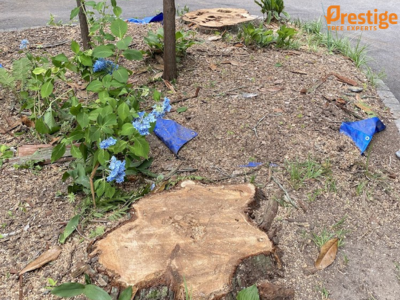
How Wood Decay Starts
Most large openings in a trunk begin as a small break in the bark. Once moisture works its way into the wood beneath that break, decay can set in even while the tree still appears healthy from the outside. Storm damage and lawn equipment are common sources of that first wound. Left unaddressed, the weakened area can slowly expand as the inner wood continues to break down.
The Role of Fungal Infections in Jessup Trees
Fungal activity can worsen existing trunk damage by breaking down wood fibers quietly for years before any hole becomes visible from the outside. Understanding the anatomy of a tree helps explain why this damage can go unnoticed for so long. The inner heartwood can decay significantly while the outer layers continue to transport nutrients, so the canopy of a tree in Jessup may still look green even as the core hollows out.
Insects and Wildlife Nesting That Worsen the Damage
For homeowners asking, “What causes large holes in tree trunks?” the answer often involves wood decay first, followed by insect or wildlife activity that widens the opening. Once a cavity forms, the following can exacerbate the problem:
-
Carpenter ants: These insects tunnel through wood that has already softened from decay.
-
Squirrels: Small openings often become nesting sites once they are large enough for them to enter.
-
Birds and raccoons: Hollow trunks can attract wildlife for nesting or provide larger animals with weather protection.
Once wildlife has settled in, the cavity continues to grow.
Why Trunk Cavities Can Affect Structural Stability
A trunk depends on solid wood to bear its own weight, so hollow sections can seriously reduce that support. The size and depth of a cavity often determine how much risk it poses to the surrounding property. A hole that appears minor on the surface can indicate a far more serious problem beneath the surface. Property owners are encouraged to schedule an inspection with Prestige Tree Experts once warning signs appear.
When a Damaged Tree May Need Inspection in Jessup
The list below highlights symptoms worth watching for:
-
Mushrooms or shelf-like growths on the bark may signal internal decay.
-
Creaking sounds in light wind can point to structural weakness.
-
A new lean or loose bark near the hole may suggest that the trunk is losing stability.
Catching these signs early gives a Jessup property owner more options for addressing the issue safely.
About Prestige Tree Experts
Understanding what causes large holes in tree trunks helps property owners recognize when a tree needs more than routine care. Prestige Tree Experts offers tree services and on-site evaluations to determine whether a damaged trunk can be treated or whether removal is the safer path forward. Property owners who have noticed a trunk cavity or other signs of decay are encouraged to call (240) 281-3334 to schedule an inspection.


Contact Information:
Prestige Tree Experts
PO Box 309 Annapolis Junction, MD 20701
Annapolis Junction, MD 20701
United States
Matthew Derrick, Adam Bodmer
https://prestigetreeexperts.com/


Original Source: https://prestigetreeexperts.com/what-causes-large-holes-in-tree-trunks/


