
New York City, New York Jul 15, 2026 (Issuewire.com) Explore Loomino: New Form of Classic Domino
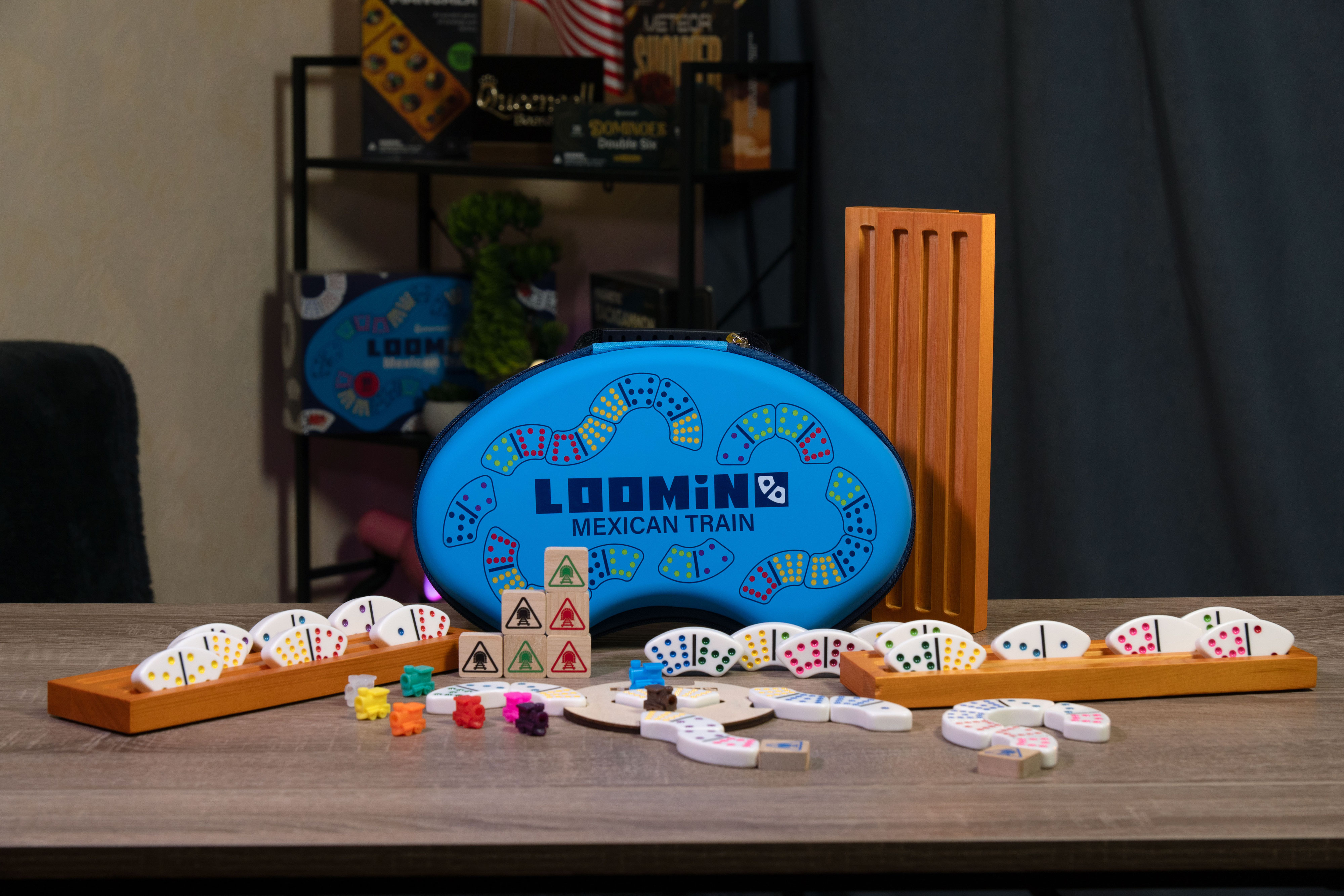
Queensell announced the launch of Loomino, a new domino game, the prototype for which became the classic Mexican Train game.
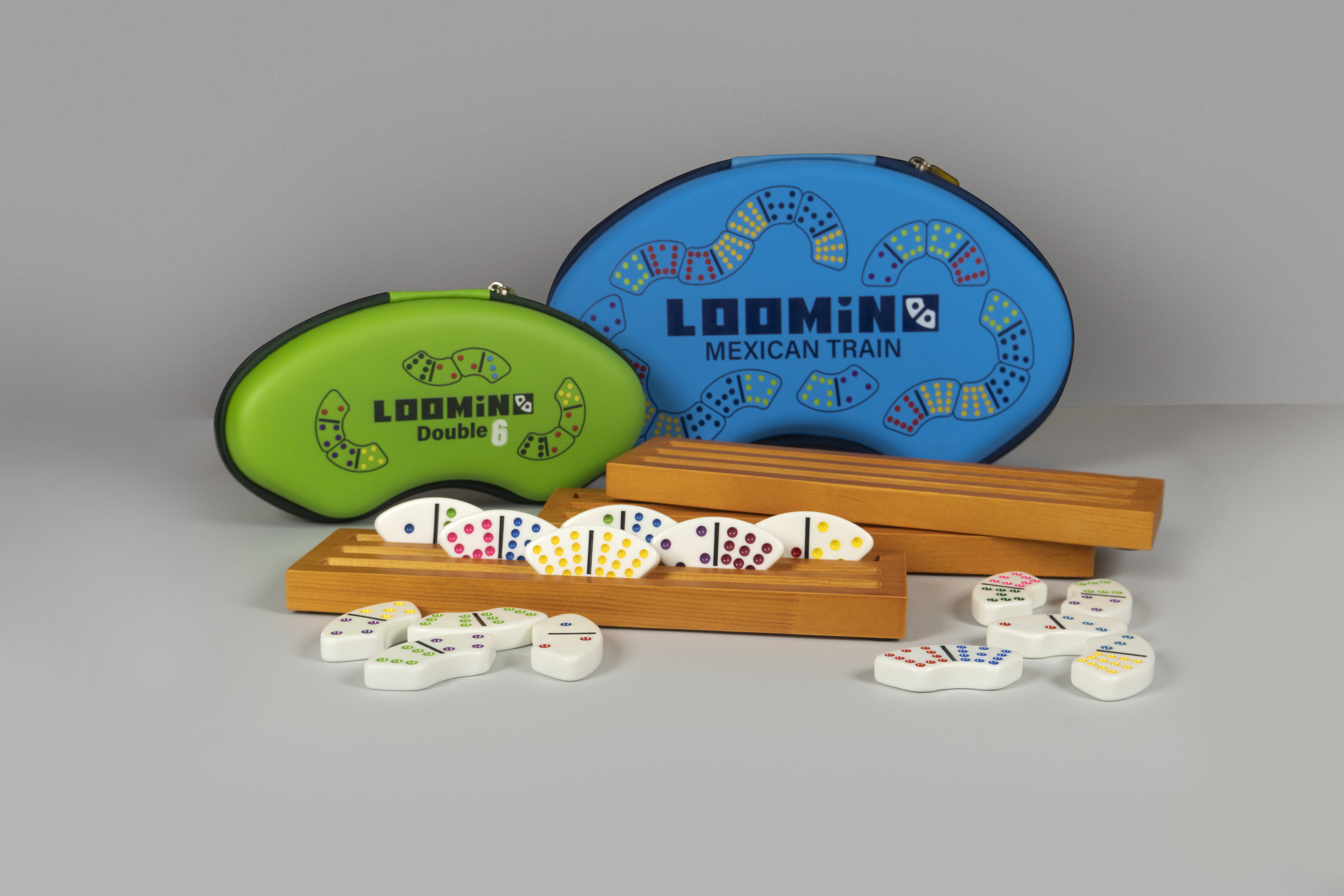
The basis of Loomino is the usual Double-12 domino system. As for its structure, it was transformed under the influence of an innovative approach. The key characteristic of the game, which makes it different from everything that we saw before, is curved tiles, suitable for the construction of loops, the creation of flowing interconnected patterns, and moving beyond linear chains. The tabletop gaming experience is transformed, combining creativity and tradition.
Loomino is basically the next generation of Mexican Train dominoes, which kept its foundation and accessibility but added interactive visuals to the gameplay. Players got an opportunity to shape their movement across the table instead of extending trains in straight lines as in the classic game.
Curved tiles form a dynamic gameplay, being able to bend, return, and reconnect, and open up a new level of interpretation where geometry and positioning are in the center of attention.
Plan Strategy Beyond the Borders
The introduction of curved movement has changed the overall gaming experience. In traditional games, the outcomes are calculated by a predictable linear progression. Loomino, in its turn, opens up an opportunity to loop back or intersect with other chains within an increasingly fluid board state.
The overall gameplay can be changed with a single placement, being exciting and unpredictable. The best results can be reached without strategically thinking a few steps beforehand, opening up unexpected opportunities for the players.
A New Approach to Connection, Playgame, and Creativity
Loomino provides an innovative approach to the strategy of the game, causing high interest in modern board gaming. The players get an opportunity to immerse themselves in the gameplay, getting new tactile experiences in a game.
The philosophy of Loomino is a perfect blend of opportunities for smooth communication, enjoying the moment of now, and sharing time with the nearest and dearest within interactive real-time entertainment. The game supports deep strategic exploration and casual play, being a great choice for players of all experience levels with guaranteed positive emotions.
The game is a universal solution for the entire family, and even for kids aged 6 and up. The rules of the game are simple and can be figured out in a few minutes even by beginners.
The players are guaranteed to get a visually stimulating experience due to the curved tile system instead of a flat, classic one. While the outcome is unpredictable, the game is exciting and unique.
Perfect Blend of Tradition and Innovation
Loomino was created with the Mexican Train in mind, preserving its strategic and social essence, but with a new dimension of creativity in mind. The loops make the game interactive, opening up an opportunity to plan strategy in motion.
As a result, the players get access to the spatial experience, where the significance of every move can’t be overestimated and may change the overall outcome of the game. The main driver of engagement, achieved by Loomino, is innovation, combined with a familiar format.
At the same time, the company managed to keep a nostalgic experience, which perfectly combines with novelty. Classical mechanics is never out of date when it comes to board games. As for the new approach, it helps to bring a fresh experience for the fans of the game, adding physical and cognitive innovation. With greater spatial freedom, the game brings a modern and design-oriented tabletop experience.
Loomino can be ordered via Queensells official retail channels or through official distributors worldwide.
Loomino represents our approach to reimagining classic games, creating a unique experience with preserved identity.
Open up new forms of classic domino play. Go beyond the usual forms with loops to transform the game.



Source :Queensell Inc
This article was originally published by IssueWire. Read the original article here.


