
Key Takeaways
- Custom hair replacement systems are built from 100% real human hair and fitted by specialists, offering a seamless, natural-looking result without surgery.
- Non-surgical options deliver immediate results – no waiting months for post-surgical growth to appear.
- Techniques like mesh integration, scalp micropigmentation, and PRP therapy each serve different stages and types of hair loss.
- The global hair loss treatment market is on track to nearly double to approximately $16.1 billion by 2032, signaling just how many people are actively seeking answers – keep reading to understand why non-surgical methods are leading that charge.
Hair loss doesn’t have to mean hair gone forever. Today’s non-surgical restoration landscape has advanced far beyond drugstore shampoos and wishful thinking. Whether the concern is thinning patches, receding hairlines, or significant hair loss, there are real, clinically informed options available – and most of them don’t require a scalpel.
No Surgery, No Wait – Hair Back Now
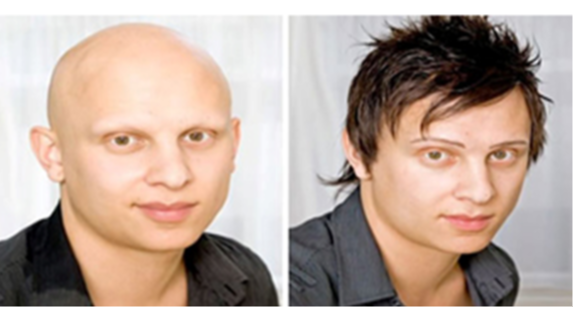
One of the biggest frustrations with surgical hair transplants is time. Results can take six months to a year to fully appear, and the procedure itself comes with anesthesia, incisions, recovery periods, and a price tag that puts it out of reach for many. Non-surgical hair replacement systems flip that equation entirely. Results are visible immediately – walk in with thinning hair, walk out with a full head of it.
This isn’t a trade-off between quality and convenience. Modern custom systems are constructed from 100% natural human hair, precisely matched to an individual’s color, texture, length, and style. The difference between a well-fitted custom system and a surgical result is increasingly difficult to detect – even up close. Capilli Hair is one resource worth checking for those looking to understand what professional-grade custom systems actually look like in practice.
What Custom Hair Systems Actually Are
A custom hair replacement system is not a wig. It is a precision-engineered solution, designed from the ground up for the individual wearing it.
Built From Real Human Hair
The foundation of a quality system is the hair itself. 100% natural human hair is selected and matched to the client’s existing hair – not just in color, but in thickness, wave pattern, and density. This level of specificity is what separates a custom system from anything available off a shelf. The result blends so naturally with remaining hair that it becomes functionally undetectable.
Fitted by Specialists, Not Off-the-Shelf
Custom systems are applied and maintained by trained hair loss specialists. The base material – whether polyurethane, lace, or monofilament – is cut and shaped to follow the exact contour of the client’s scalp. Hairline design, part placement, and density distribution are all tailored decisions. This is a clinical fitting process, not a one-size-fits-all product.
Non-Surgical Techniques Worth Knowing
Custom hair systems are the most thorough option, but they sit within a broader ecosystem of non-surgical restoration techniques. Depending on the degree of hair loss and the outcome desired, different approaches may be recommended – sometimes in combination.
Mesh Integration Systems
Mesh integration systems are a semi-permanent solution designed specifically for individuals with moderate to advanced thinning who still have some natural hair present. A fine mesh base integrates with the existing hair, with additional hair woven or bonded into the mesh to build density and coverage. Because the mesh breathes and flexes with the scalp, these systems support normal daily activity: showering, exercising, swimming. The integration is discreet enough that most people around the wearer won’t notice anything unusual.
Scalp Micropigmentation (SMP)
Scalp micropigmentation is a non-invasive technique that uses specialized pigments deposited into the scalp to replicate the appearance of hair follicles. Think of it as a highly refined, medically applied tattoo – calibrated specifically to match natural hair color and follicle size. SMP is particularly effective for creating the look of a close-cropped, full head of hair, or for adding visual density to thinning areas. Clients who’ve undergone SMP frequently describe the confidence shift as significant, with many calling the results genuinely life-changing.
PRP Therapy and FDA-Approved Medications
For those whose hair follicles are still active but underperforming, two medical-grade non-surgical approaches stand out:
- Platelet-Rich Plasma (PRP) Therapy: A patient’s own blood is drawn, concentrated for platelets, and injected directly into the scalp. The growth factors in platelets stimulate dormant or weakened follicles to produce hair more actively. It’s regenerative rather than cosmetic – working from the inside out.
- FDA-Approved Medications: Oral Finasteride works by blocking DHT, the hormone primarily responsible for androgenic hair loss in men. Topical Minoxidil increases blood flow to the scalp and stimulates follicle activity. Both are clinically proven to slow hair loss and, in many cases, encourage new growth – though results require consistent, long-term use.
These options are most effective in earlier stages of hair loss and are often paired with custom systems or SMP for a more well-rounded result.
How Systems Are Secured and Customized
Attachment Methods That Stay Put
A common concern with non-surgical hair systems is security – specifically, whether the system will stay in place through daily life. The short answer: yes, when attached correctly.
Modern attachment methods include:
- Medical-grade adhesives – applied directly to the scalp for a firm, skin-safe bond that lasts weeks with proper care
- Clips and combs – integrated into the base for quick attachment to existing hair, ideal for those who want flexibility
- Weaving and braiding – natural hair is used as an anchor point, with the system woven in for a semi-permanent hold
The right method depends on the individual’s lifestyle, the amount of remaining hair, and how often they want to remove or adjust the system. A trained specialist will evaluate all of these factors before recommending an approach.
Custom Systems vs. Surgical Transplants
For many people, the comparison between non-surgical systems and surgical hair transplants comes down to a few very practical factors.
Immediate Results vs. Months of Waiting
Surgical transplants involve extracting follicles from a donor area and implanting them into thinning zones. The follicles then go through a shock phase – temporary shedding – before eventually regrowing. Visible results typically take six to twelve months to appear. A custom hair system, by contrast, produces a full result the same day it’s fitted. For someone dealing with hair loss that’s affecting their confidence at work, socially, or in daily life, that difference in timeline matters enormously.
Cost, Reversibility, and Accessibility
Surgical hair transplants routinely cost between $4,000 and $15,000 or more depending on the extent of coverage needed. Non-surgical systems, even premium custom ones, are significantly more affordable over time – and unlike surgery, they’re reversible. If preferences change, the system can simply be removed. There’s no permanent commitment, no scarring, and no healing process.
This reversibility also makes non-surgical options accessible to people who may not qualify for surgery due to medical conditions, insufficient donor hair, or simply a preference to avoid anesthesia and incisions entirely.
Global Hair Treatment Market Projected to Hit $16.1B by 2032
The numbers reflect what’s happening on the ground. The global alopecia treatment market size was valued at approximately $8.89 billion in 2019 and is projected to reach approximately $16.1 billion by 2032. That kind of growth doesn’t happen around ineffective products. It reflects a surge in demand from people who are actively seeking real, lasting solutions – and finding them outside the operating room.
Non-surgical solutions, from custom systems to SMP to PRP, are a major driver of that growth. As technology improves and access expands, the gap between surgical and non-surgical results continues to narrow – in many cases, disappearing altogether.
Ready to Restore Your Hair Without Going Under the Knife?
The options are real, the results are immediate, and the commitment level is entirely up to the individual. Whether the goal is a full custom hair system, scalp micropigmentation, or a medical treatment plan using Finasteride and Minoxidil, there’s a non-surgical path that fits. The key is working with qualified specialists who can assess hair loss patterns and recommend the right combination of techniques – a plan built around the person, not a one-size-fits-all solution.
Hair loss is common. Feeling stuck about it doesn’t have to be.
For more information on holistic health and wellness approaches that support overall well-being, visit LibertyBlume Health, where evidence-informed guidance meets practical, everyday health solutions.
LibertyBlume Health
info@libertyblumehealth.com
4116 Nichandros St
Castro Valley
California
94546
United States


