
HVAC contractors in Columbia, MD, discuss AC replacement, including signs it’s needed and its benefits.
Columbia, United States – June 29, 2026 / Carroll Mechanical /
Important AC Replacement Basics to Know
An air conditioner that has been running for years does not give up all at once, but the warning signs of a system in decline tend to build until the cost of keeping it going no longer makes sense. Knowing those signs early, understanding what a new installation brings to the table, and being informed about the system types available today puts property owners in a much stronger position when the time comes to make a replacement decision. This post explains signs that indicate the need for an air conditioner replacement, the benefits of replacing an old AC unit, and some information about choosing a replacement.
Signs to Replace an Air Conditioner
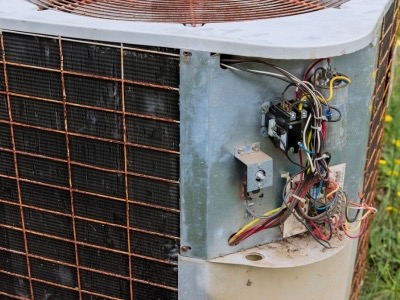 An air conditioner that has been in service for more than ten years is entering the phase of its lifespan where wear begins to outpace performance, and systems in this age range often start showing signs of strain even when they have been well-maintained. The effort required to cool a home increases as internal components degrade, and that extra effort registers directly on the monthly energy bill as the unit draws more power to deliver less comfort. Rising cooling costs, without any corresponding change in usage habits, and old age are often among the earliest indicators that the system is losing efficiency and may be approaching the end of its useful life.
Frequent repair calls are a pattern worth taking seriously, especially when the same system keeps needing attention season after season. Each repair may seem manageable in isolation, but the cumulative cost of parts, labor, and service visits adds up quickly, and at some point, that money is better directed toward a new system rather than an aging one. A unit that cannot get through a cooling season without a service visit is a unit that is working against the household rather than for it.
Beyond cost, the quality of comfort the system delivers is another telling measure of whether replacement has become necessary. Warm spots in certain rooms, humidity that the system cannot control, unusual sounds during operation, and sluggish response to thermostat adjustments all point to a system that is no longer capable of meeting the demands placed on it. A professional assessment from a qualified HVAC technician can help determine whether these symptoms are repairable or whether the most practical solution is a full replacement.
Advantages of Replacing an Old AC Unit
The most immediate and measurable benefit of installing a new air conditioner is the improvement in energy efficiency that modern equipment delivers over older systems. Today’s high-efficiency units are rated significantly higher than systems manufactured even a decade ago, and that difference in efficiency translates into lower monthly cooling costs from the very first billing cycle after installation. The new system does more with less energy, and the savings generated over time begin to offset the upfront cost of the replacement in a meaningful way.
Repair expenses are another area where a new installation delivers relief that homeowners with aging systems know all too well. A new air conditioner backed by a manufacturer’s warranty removes the financial unpredictability of breakdowns, and modern equipment built to current standards is engineered to run reliably for many years with routine maintenance. The transition from a system that demands frequent attention to one that simply performs as expected is a change that extends well beyond comfort into genuine peace of mind.
Replacement also opens the door to reassessing whether the existing system was ever the right size for the home it was cooling. An undersized unit runs constantly without ever quite reaching the desired temperature, while an oversized unit short-cycles, leaving the air humid and the home uncomfortable despite the equipment technically functioning. Working with an experienced HVAC professional to select correctly sized replacement equipment ensures the new system is matched precisely to the space, delivering the kind of consistent, efficient comfort the old unit may have never been capable of providing.
Choosing a Type of AC System
 When the time comes to replace or install a new air conditioner, the choice most often comes down to two primary system types, and understanding what each one offers makes the decision considerably easier to navigate. Central air conditioning systems distribute cooled air throughout the home through a network of ducts and vents connected to a single outdoor unit, while ductless mini-split systems deliver conditioned air directly into individual rooms or zones through wall-mounted indoor air handlers paired with an outdoor compressor. Both are proven, widely installed technologies, but each serves a different set of priorities when it comes to cost, efficiency, and comfort control.
Central air conditioning tends to carry a lower upfront installation cost, particularly in homes where existing ductwork is already in place and does not need to be replaced or expanded. The components of a central system remain largely out of sight, with vents built into walls and ceilings and the primary equipment housed outside or in a mechanical room, preserving the look of the home’s interior. The trade-off is that central systems generally come with higher monthly operating costs, as air moving through duct systems can lose energy through leaks, gaps, and inadequate insulation before it ever reaches the living space.
Ductless mini-split systems address that efficiency gap by delivering conditioned air more directly, bypassing ductwork entirely and reducing the energy losses that drive up operating costs in ducted systems. The absence of ducts also makes mini-splits a practical solution for homes without existing duct infrastructure, room additions, or spaces that a central system would struggle to serve effectively. The upfront installation cost is typically higher than that of a central system, but the combination of lower monthly energy bills and the added flexibility of zone-by-zone temperature control, where different rooms can be set to different temperatures based on who is using them, gives mini-splits a long-term value that makes the initial investment worth serious consideration.
About Carroll Mechanical
Carroll Mechanical is a locally-owned and operated heating and air conditioning company serving Columbia, MD, and beyond. They offer free estimates, trustworthy technicians, and fully stocked trucks. Call them today for reliable air conditioning installation and replacement in Columbia, MD.


Contact Information:
Carroll Mechanical
8300 Guilford Rd, Suite D
Columbia, MD 21046
United States
Roy Walker
(443) 312-9732
https://www.carrollmech.com/


