
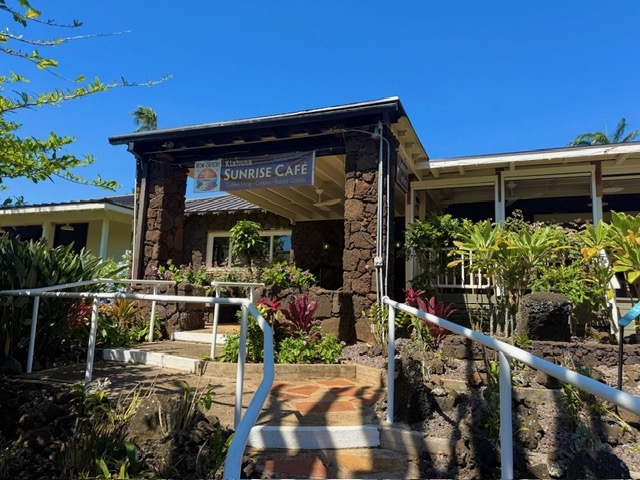
Kiahuna Sunrise Cafe Hawaii is speaking out about a growing shift happening across the restaurant industry: customers increasingly want restaurants that feel more personal, more relaxed, and more connected to real human interaction.
For the team behind the Poʻipū breakfast cafe, the conversation goes beyond food. It touches everything from atmosphere and service to how people experience time while dining out.
“People are tired of places that feel cold or rushed,” says Kirk Coult of Kiahuna Sunrise Cafe, Hawaii. “You can feel when a restaurant is designed more around systems than around actual people.”
The comments reflect broader consumer trends. According to a recent Square Hospitality report, more than 70% of diners say atmosphere and service now influence return visits as much as food quality. Customers increasingly prioritize comfort, familiarity, and ease over novelty-heavy dining experiences.
Restaurants Became Faster, But Not Always Better
Over the last decade, much of the restaurant industry has focused heavily on efficiency and scale. Ordering systems sped up. Dining times shortened. Menus expanded to compete for attention.
In many cases, restaurants became more optimized but less welcoming.
Kiahuna Sunrise Cafe Hawaii took a different approach from the beginning. Located inside a restored plantation-era building at Kiahuna Plantation, the cafe was designed around slower mornings, open-air seating, and a more relaxed rhythm.
“We intentionally avoided making the experience feel overproduced,” Kirk says. “Some mornings people just want coffee, breakfast, and a place where nobody is trying to rush them out the door.”
That mindset shaped everything from the garden lanai seating to the flow of service during busy morning hours.
Why Atmosphere Matters More Than Restaurants Admit
Restaurant operators often focus heavily on menus while underestimating atmosphere. Customers notice the atmosphere immediately.
Noise levels. Seating layouts. Lighting. Pace. Even the feeling people get as they walk through the front door.
At Kiahuna Sunrise Cafe in Hawaii, the physical setting naturally became part of the experience. The cafe overlooks koi ponds and gardens inside a historic plantation property, creating an environment that encourages people to slow down.
“We’ll see tables finish eating and still sit there talking for another half hour,” Kirk says. “Nobody’s staring at their watch. That tells you the environment is doing something right.”
Research supports that idea. A Cornell University hospitality study found that restaurant atmosphere directly impacts customer satisfaction, spending habits, and return rates.
People remember how places make them feel.
Customers Want Familiarity Again
Restaurant trends move fast. One year focuses on giant menus. Another year pushes theatrical presentation or extreme dining concepts.
Consumers eventually burn out on constant novelty.
That shift became especially noticeable after 2020. Industry surveys from Toast and Lightspeed found growing demand for comfort food, familiar experiences, and restaurants that feel dependable rather than performative.
Kiahuna Sunrise Cafe, Hawaii, leaned naturally into that shift.
The menu focuses on recognizable breakfast staples like omelets, pancakes, eggs Benedict, loco moco, and crepes. The goal is consistency instead of constant reinvention.
“We’re not trying to surprise people every five minutes,” Kirk explains. “We’d rather have somebody leave saying breakfast was exactly what they hoped it would be.”
That approach may sound simple. In today’s hospitality world, simplicity often stands out more than spectacle.
Human Interaction Still Shapes Hospitality
One of the biggest changes in restaurants over the past several years has been the reduction of direct human interaction. More systems became automated. More dining experiences became transactional.
Kiahuna Sunrise Cafe Hawaii believes restaurants lose something important when hospitality becomes too mechanical.
“There’s a huge difference between being processed through a restaurant and actually being welcomed into one,” Kirk says. “Guests notice that immediately.”
That philosophy affects staffing and operations at the cafe. Service focuses less on scripts and more on natural interaction.
The team pays attention to repeat visitors, remembers routines, and adjusts pacing depending on how guests use the space.
Those details matter because restaurant visits remain deeply emotional experiences. People gather for birthdays, vacations, family breakfasts, and everyday routines around food.
The best hospitality spaces support those moments instead of interrupting them.
Historic Spaces Naturally Feel More Human
Part of the cafe’s atmosphere comes from the building itself.
Kiahuna Sunrise Cafe Hawaii operates inside a restored plantation-era structure that had remained closed since 2020 before reopening. The property’s history creates a feeling that newer spaces often struggle to replicate.
“People walk in and immediately start asking about the building,” Kirk says. “That starts conversations naturally. The space already has personality before we even serve coffee.”
Historic restoration projects across Hawaii have increasingly become part of broader conversations about preserving local identity and community connection.
According to the National Trust for Historic Preservation, restored historic properties often generate stronger neighborhood engagement and visitor interest compared to generic commercial redevelopment.
For restaurants, that emotional connection matters.
Slower Dining Experiences Are Growing Again
Another major shift in hospitality involves time itself.
Many consumers are moving away from hyper-scheduled dining habits and looking for places where they can slow down.
Kiahuna Sunrise Cafe, Hawaii, sees that behavior every morning.
“You’ll watch people come in planning to grab coffee quickly,” Kirk says. “Then they end up sitting outside for an hour because the environment changes their pace.”
That slower experience aligns with broader travel and lifestyle trends emphasizing mindfulness, comfort, and intentional routines.
Restaurants that support those habits may become increasingly valuable as customers grow more selective about where they spend time.
Restaurants Shape More Than Meals
For Kiahuna Sunrise Cafe Hawaii, the conversation about “human” restaurants goes beyond hospitality trends.
Restaurants shape routines. They create gathering spaces. They influence how communities interact.
“When people return to the same breakfast spot every week, that becomes part of their life,” Kirk says. “That matters more than most restaurant owners realize.”
The cafe believes the future of hospitality may involve fewer gimmicks and more attention to how people actually want to feel while dining out.
That does not require dramatic reinvention.
Sometimes it starts with simple things.
A quiet garden. A familiar breakfast. A conversation that lasts longer than expected.
About Kiahuna Sunrise Cafe Hawaii
Kiahuna Sunrise Cafe Hawaii is a breakfast, brunch, and coffee destination located at the historic Kiahuna Plantation in Poʻipū, Kauaʻi. Set inside a restored plantation-era building, the cafe offers a relaxed garden lanai dining experience with breakfast favorites, locally roasted coffee, pastries, and island-inspired comfort food. Designed for both residents and visitors, Kiahuna Sunrise Cafe Hawaii focuses on creating a slower, community-centered morning experience that reflects the atmosphere and rhythm of Kauaʻi’s South Shore.
Media Contact
Company Name: Kiahuna Sunrise Cafe
Contact Person: Kiahuna Sunrise Cafe
Email: Send Email
City: POʻIPŪ
State: Hawaii
Country: United States
Website: https://www.kiahunasunrisecafe.com/


