Originally Posted On: https://www.ucanpack.com/blog/post/can-printers-boxes-improve-repeat-purchase-rates-by-making-returns-feel-premium
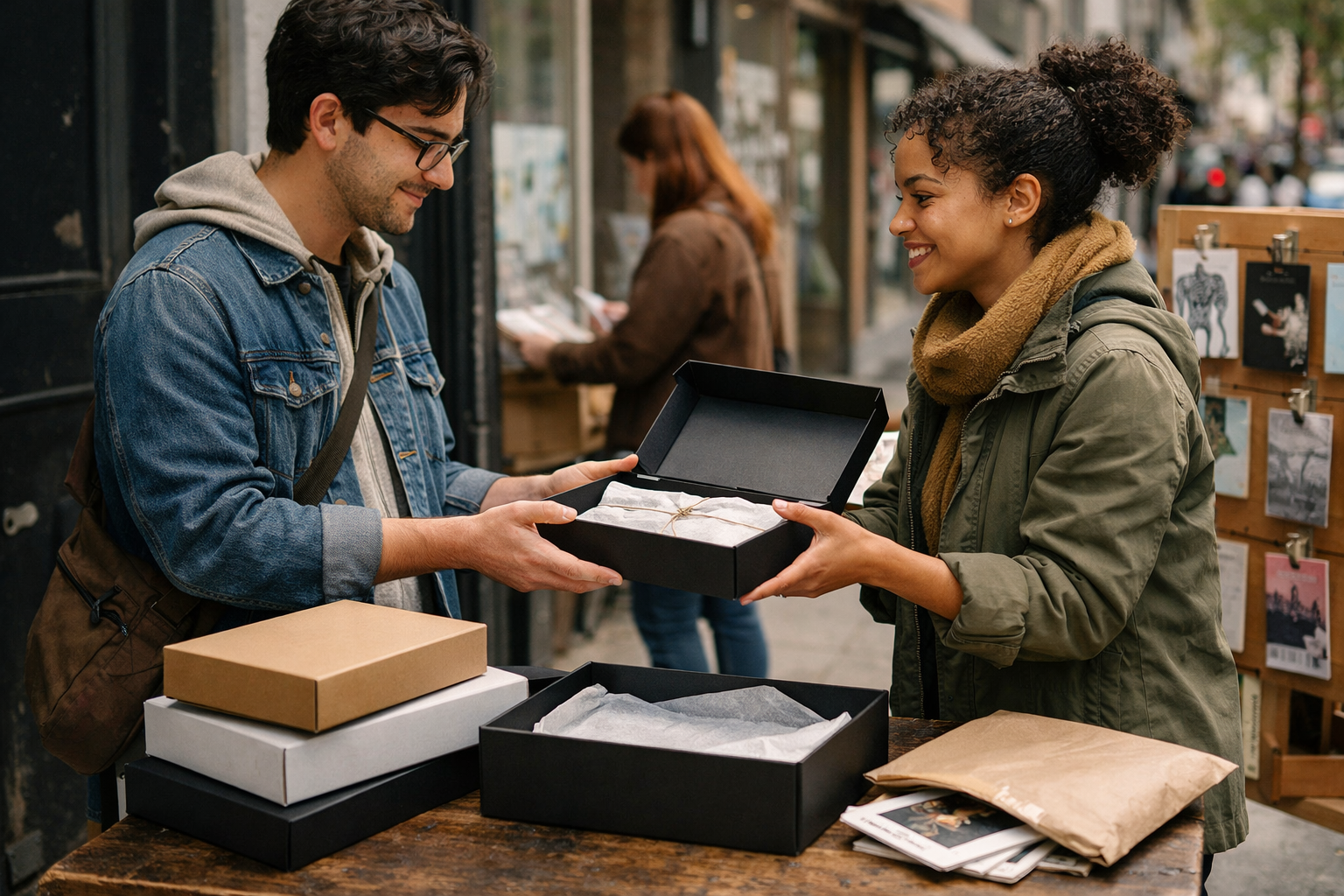
Key Takeaways
- Reframe printer’s boxes as part of the return journey, not just shipping packaging. For small publishers and stationery brands, a printed corrugated box can turn a refund or exchange into a branded touchpoint that still feels deliberate.
- Compare white, kraft, and rigid box styles before defaulting to plain cardboard. The right custom box can protect books, prints, cards, and kits while making the product look worth buying again.
- Design the return path as carefully as the first unboxing. Clear packing steps, lids, inserts, and flat-packed formats help customers repack items without frustration, which makes repeat purchase rates easier to maintain.
- Match box format to product type and order size. A small 8x8x8 printer’s box may work for stationery kits, while flat mailer styles fit zines and prints better, especially when file prep and printed artwork need to stay simple.
- Measure the outcome, not just the packaging bill. Track repeat orders, return reasons, and customer comments after switching to branded printer’s boxes so you can see whether the premium feel is paying off.
- Test shipping realities before committing to a new box. International shipping, marketplace requirements, and fragile inserts can change the math fast, and the cheapest cardboard option isn’t always the one that protects revenue.
Returns don’t have to feel like a loss. For small publishers, zine makers, art print studios, and stationery brands, the box that comes back can shape the next sale just as much as the one that went out. That’s why Printer’s Boxes are getting more attention today: they turn a clumsy return into a branded moment, and that moment sticks.
Here’s the blunt part. Plain cardboard says, “cheap shipping.” Printed packaging says, “This brand has its act together.” When a customer opens a clean, branded box with clear packing, a visible file path for the return, and enough structure to keep paper goods flat instead of bent, the whole experience feels easier — and easier usually gets remembered. A return that feels organized doesn’t just protect the product. It protects trust. And trust is what gets the second order.
What printer’s boxes mean for small publishers, studios, and stationery brands shipping returns today
Printer’s Boxes are low-profile, corrugated cartons made for flat, printed, and fragile goods — think zines, art prints, stationery sets, and card decks that need to arrive clean, not crushed. They’re not flashy. They work. And that matters.
- They set the tone on the return. A plain mailer says “refund.” A printed box says “this brand still cares,” even when the first order didn’t stick.
- They protect the product and the margin. A shallow structure, often closer to an 8x8x8 footprint than a bulky shipping cube, cuts movement and helps keep paper, cardboard inserts, and cards from rubbing. Less damage means fewer reships.
- They make the second chance feel planned. When returns arrive in branded packaging boxes with a clean, file-ready surface, the experience feels retail, not cheap. That’s the difference between a one-time fix and a repeat purchase.
Small studios shipping international orders feel this fast. A returned print packed in rigid-style presentation packaging lands with more trust than one tossed into a big brown carton with staples, plastic, and too much void fill.
UCanPack notes that packaging shapes perception before the product even leaves the box. That’s why shallow gift boxes, apparel gift boxes, and small clothing boxes keep showing up in better-performing return flows — they make the recovery order feel intentional, not like a clearance bin.
For brands comparing retail packaging boxes today, the rule is blunt: if the return looks premium, the next purchase feels safer. That’s the part most brands miss.
Why printed corrugated boxes change customer perception faster than plain cardboard
A small publisher ships a zine in a plain flat box, then tests the same order in Printer’s Boxes with a simple mark — clean print. The second version gets fewer refund emails and more repeat orders. That’s not magic. Its packaging is part of the selling.
Contrast branded and unprinted shipping packaging
Plain cardboard signals “good enough.” Printed corrugated packaging says someone checked the details, and that matters when the product is a card set, a stationery drop, or apparel gift boxes arriving for a birthday. A branded box also feels less like a random shipment and more like retail packaging boxes built for a real product, not a warehouse afterthought.
Here’s what most people miss: customers judge the return experience before they ever send anything back. A clean return in Printer’s Boxes feels easier, safer, and more professional—especially for small clothing boxes, shallow gift boxes, and other items that need to land neatly instead of rattling around in oversized shipping cartons.
Discuss white, Kraft, and rigid presentation choices
White boxes read bright and premium. Kraft feels handmade and direct. Rigid boxes still signal the highest-end presentation, corrugated printed versions close much of that gap without the same weight or cost (that’s the trade-off). For a product in an 8x8x8 format, the box finish often changes the price expectation before the item is even touched.
UCanPack notes that print quality and structure shape first impressions fast. The honest answer is simple: better boxes don’t just protect a product, they protect trust. And trust is what gets the next order.
And that’s where most mistakes happen.
How a custom printer’s box can make returns feel organized, not awkward
Write this section as if explaining to a smart friend over coffee — casual but accurate and specific. A printer’s box changes the tone of a return fast. Instead of a crumpled mailer and a loose packing slip, the customer gets a flat, printed box that feels like part of the product, not an afterthought.
Map the return journey from opening to repacking
Start at unboxing. If the original shipment uses printer’s boxes with a clear insert or card, the buyer sees where the item goes back, what stays in the box, and which file or label to keep. That matters for small apparel, stationery, and print orders where a 1-inch mistake can turn a clean return into a mess.
Show where inserts, lids, and clear packing steps reduce friction
For apparel gift boxes, simple printed steps beat guesswork. A short checklist on the lid, a tucked-in return card, and a snug insert can cut repacking time from 5 minutes to 90 seconds. That’s less awkward for the customer and fewer damaged items for the seller. Small things. Big effect.
It works just as well for shallow gift boxes, small clothing boxes, and retail packaging boxes. Printed corrugated packaging can ship flat, stack cleanly, and hold up in small-batch orders of 25 to 100 units without eating storage space.
UCanPack offers formats that fit that kind of use, but the bigger point is simple: if the return path feels organized, customers remember the brand as careful, not clumsy.
Let that sink in for a moment.
Which printer’s box formats fit books, zines, prints, cards, and stationery kits best
Printer’s Boxes aren’t one-size-fits-all. The right format changes how flat paper goods arrive, how a return feels, and whether the package looks like branded retail packaging boxes or just another cardboard mailer. For books and zines, a snug corrugated box beats a loose carton every time.
Compare small and large box sizes, such as 8x8x8, and flat mailer-style formats
An 8x8x8 works well for compact bundles, clipped inserts, — small card decks, while flat mailer-style boxes suit prints, stationery sets, and paper files that can’t take a bend. Shallow gift boxes are a better fit for press kits and signed editions because they keep the stack from shifting. For apparel gift boxes and small clothing boxes, one branded box can cover both folded tees and mixed merch (a card, a sticker sheet, maybe a note).
Address packaging for paper goods, insulated add-ons, and fragile items
Paper goods usually need clean edges, not foam-heavy overkill. If the order includes fragile add-ons, use a paper wrap layer or a slim insulated insert only where the item needs it. That’s the part most shops miss.
File prep matters. Keep artwork in CMYK, outline fonts, and send a flat dieline-ready file before proofing. White ink, rigid board, and printed lids can change the whole read of the box, but only if the file is set up right. UCanPack notes that sample checks save more reprints than fancy mockups ever do.
Practical rule: choose the smallest box that protects the product and still closes cleanly. Anything larger starts eating into the margin and changing the customer’s first impression.
What packaging teams should measure if premium returns are meant to lift repeat purchases?
Can Printer’s Boxes make a return feel better? Yes — if the team measures the right signals and doesn’t guess. The package can’t fix a bad product — it can turn a messy exchange into a branded moment that feels worth remembering.
Track repeat orders, return reasons, and customer feedback after the box change
Start with three numbers: repeat order rate, return reason codes, and post-return comments. A 5% lift in repeat buys after switching to printed cardboard packaging matters more than a nicer photo on the site. The same goes for small details like retail packaging boxes that arrive flat, open cleanly, and keep the file of inserts from getting crushed in transit.
Look for patterns. If returns for damaged goods drop, repeat orders don’t move, the box isn’t doing enough. If customers mention “premium” or “easy to reuse,” that’s a signal. If they mention tape, plastic, or staples, that’s friction.
Compare branded packaging costs against lost revenue from damaged or awkward returns
Print costs can look steep on paper. But one lost order, one chargeback, or two replacement shipments can wipe out the gap fast. Teams shipping apparel, gift boxes, or small clothing boxes should compare the per-unit print cost against return handling time, postage, and the chance of a second purchase.
Shallow gift boxes also deserve a look here, especially for compact products that need a tidy unboxing and an easy re-pack. Even a plain white box can outperform cheap generic stock if it protects the item and looks intentional.
Note where marketplaces, international shipping, and product category differences change the math
Marketplace sellers don’t get the same branding upside as direct stores, so the math shifts. International shipping raises damage risk. Bulkier retail packaging boxes make sense for rigid goods, while flat mailers win for lightweight paper goods and card sets. UCanPack’s packaging team often frames it this way: the right box is the one that lowers hassle and keeps the second sale alive.
It’s a small distinction with a big impact.
Frequently Asked Questions
What is a printer’s box?
A printer’s box is a rigid cardboard or corrugated storage box made to hold type, blocks, proofs, or other shop materials in neat compartments. In modern use, the phrase also turns up in packaging conversations for small paper goods and printed items, where a strong flat box keeps the product organized and protected.
How long can a printer sit without being used?
If the question is about a desktop printer, weeks or months of sitting idle can cause dried ink, clogged nozzles, and feed problems. Run a test page every 1-2 weeks, keep paper clean and dry, and don’t leave cartridges exposed if you can avoid it.
What is box printing?
Box printing is the process of putting graphics, text, logos, or product information directly onto packaging before it ships. For small publishers and stationery brands, printed boxes do more than look good — they turn plain shipping into branded packaging that feels intentional the moment it lands.
What is an antique printer tray?
An antique printer tray is a shallow wooden tray once used by typesetters to sort metal letters and spacing pieces. Today, people use them as display pieces, but they’re not the same thing as printer’s boxes, which are usually enclosed storage or packaging formats rather than open trays.
Are printer’s boxes the same as shadow boxes or display boxes?
No, that mix-up happens a lot. A shadow box is usually meant for display, often with a front opening or frame, while a printer’s box is more about storage, protection, or shipping. If the goal is presentation for zines, prints, or stationery sets, a branded rigid box or corrugated mailer usually works better.
No shortcuts here — this step actually counts.
What sizes work best for printed goods like zines and art prints?
Start with the product first, not the box. A common fit for small printed sets is around 8x8x8 for compact bundles, while flat mailers and larger cardboard boxes suit posters, art prints, and stationery kits that can’t bend. Measure the stack with any card, clip, insert, or packing sheet you’re adding, then leave a little room for paper wrap or tissue.
What’s the difference between corrugated and rigid printer’s boxes?
Corrugated boxes are the workhorse choice. They’re cheaper, lighter, and better for shipping. Rigid boxes feel premium and hold shape better on a shelf or in a gift set, but they cost more and don’t make sense for every small order.
Can printer’s boxes be white or printed with branding?
Yes. White boxes are popular because they give a clean, gallery-like look, and printed boxes carry branding without needing extra labels or stickers everywhere. For stationery, art prints, and small publisher kits, white packaging often photographs better than plain brown cardboard.
What should a small brand check before ordering printer boxes?
Check fit, strength, and finish. A box that looks cheap or arrives crushed will drag down the product inside, even if the contents are excellent. Ask for samples, test with the real product, and look at how the box closes, stacks, and ships before placing a bigger order.
Do printer’s boxes need special materials for international shipping?
They can. International shipping puts more stress on packaging, so a thin paper box that works locally may fail once it’s handled, stacked, and tossed through more checkpoints. Use stronger corrugated stock, secure the closure well, and keep the printed surface protected from scuffing and moisture.
And that’s where most mistakes happen.
Returns don’t have to feel like a penalty. Done right, Printer’s Boxes can turn a sore spot in the buying cycle into a moment that still feels branded, organized, and worth remembering. That matters for small publishers, studios, and stationery brands, where a second order often depends on whether the first recovery experience felt careless or considered.
The box can’t fix a damaged item on its own. It can, though, change the mood around the fix. Clean print, sensible sizing, and a layout that makes repacking obvious all reduce friction — and that’s where trust starts to hold. Trust. Then repeat purchase rates.
Brands should test the numbers, not just the look: return reasons, reorders within 60 days, and customer comments after the packaging switch. If the data shows fewer complaints or faster repeat buying, the next move is simple — pilot a small run of printed return boxes on one product line and compare the results against plain cardboard.
{
“@context”: “https://schema.org”,
“@type”: “LocalBusiness”,
“name”: “UCANPACK”,
“address”: {
“@type”: “PostalAddress”,
“streetAddress”: “753A Tucker Rd”,
“addressLocality”: “Winder”,
“addressRegion”: “GA”,
“postalCode”: “30680”,
“addressCountry”: “US”
},
“telephone”: “1 201-975-6272”
}
UCANPACK
753A Tucker Rd
Winder, GA 30680
1 201-975-6272